
How To Choose Chocolate Gifts That Feel Special
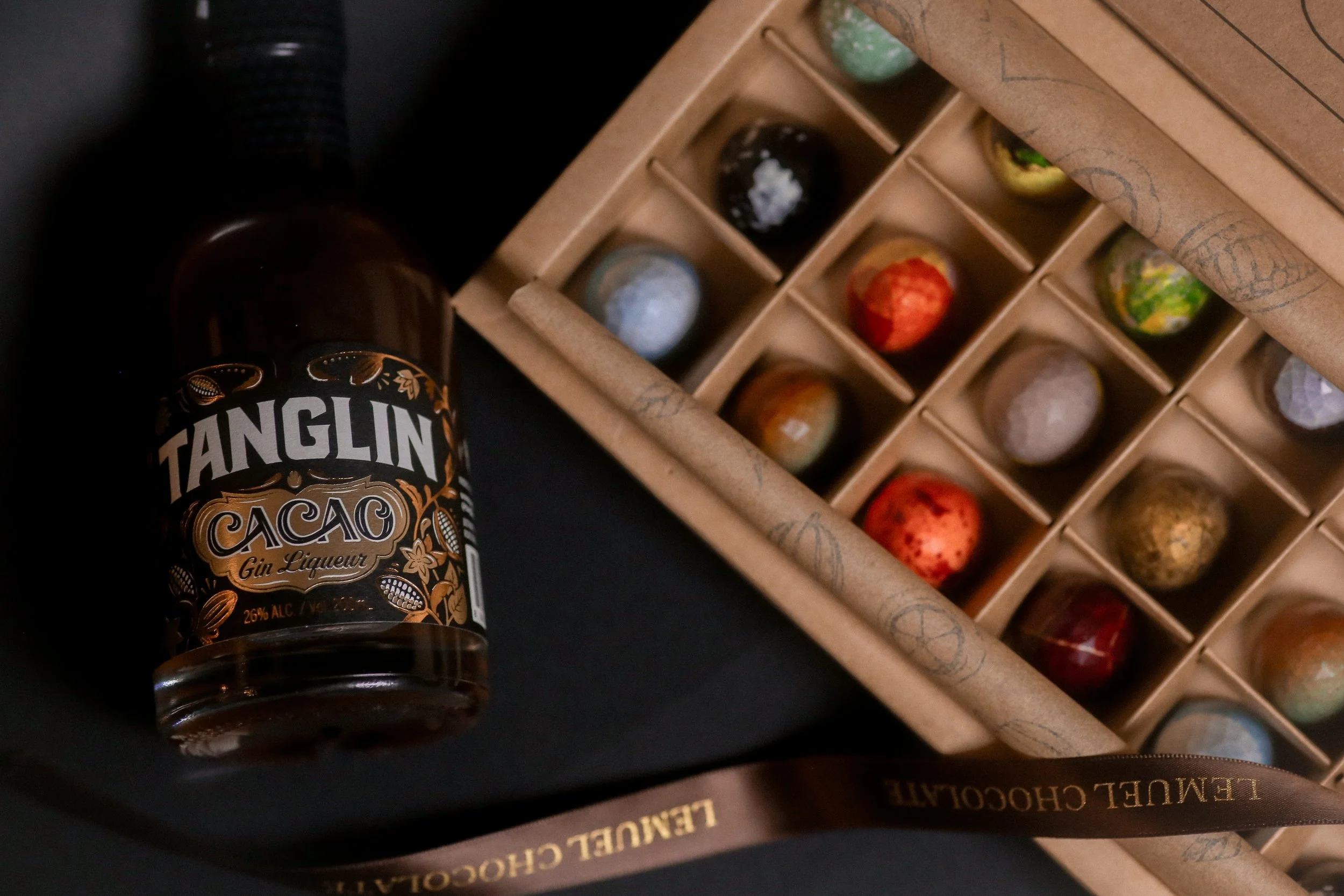
A beautiful box of chocolates can still miss the mark. Maybe the flavors feel generic, the presentation is lovely but forgettable, or the gift says “last minute” when you meant “I really thought about this.” If you have ever wondered how to choose gift chocolates in a way that feels polished, personal, and genuinely memorable, the answer is usually in the details.
The best chocolate gifts do more than satisfy a sweet tooth. They create a small moment of delight, and that moment is shaped by flavor, craftsmanship, presentation, and context. A thank-you gift for a client should feel different from a birthday gift for a close friend. A romantic box can be more expressive, while a festive gift may call for playful variety. Choosing well is less about finding the most expensive option and more about finding the right fit.
How to choose gift chocolates for the person receiving them
Start with the recipient, not the product. This sounds obvious, but it is where most gifting decisions go wrong. People often choose what looks luxurious rather than what will be enjoyed.
If the recipient loves classic flavors, a box built around familiar notes like dark chocolate ganache, caramel, hazelnut, or praline is often the safest choice. If they enjoy trying new desserts and interesting flavor combinations, a more creative assortment can feel far more thoughtful. Chocolates inspired by fruit, tea, spice, or regional dessert flavors tend to leave a stronger impression because they feel curated rather than standard.
This is where nuance matters. Some people want surprise, but only within reason. A recipient who enjoys refined desserts may love a sesame, yuzu, coffee, or pandan-inspired bonbon, but not necessarily a box full of bold experimental flavors. When in doubt, balance works well - choose a selection that includes a few instantly appealing pieces and a few more expressive ones.
Dietary preferences should also guide your choice. Dark chocolate assortments can be a good option for recipients who prefer less sweetness, while nut-free or alcohol-free selections may be important depending on the occasion. These details are easy to overlook, but they are often the difference between a gift that feels polished and one that feels careless.
Quality matters more than quantity
A larger box is not automatically a better gift. In premium chocolate, quality is usually what people remember.
Look for signs of real craftsmanship. Chocolates made with attention to cacao origin, texture, and flavor balance tend to feel more elevated than mass-produced assortments that rely mostly on sugar and packaging. When a chocolatier controls more of the making process, from cacao sourcing to roasting and finishing, the result is often clearer flavor and better texture. You may not need to explain that to the person receiving the gift, but they will notice it when they take the first bite.
Freshness matters too, especially for bonbons and topping-filled chocolate bars. A beautifully-made piece should have a clean shell, a smooth filling, and flavors that feel vivid rather than flat. That is one reason artisanal chocolate gifts often stand out. They feel alive, not shelf-stable in the most uninspiring sense.
There is also a trade-off to consider here. A highly decorative gift box with average chocolate inside may impress for a minute. A smaller box with exceptional craftsmanship creates a better experience from start to finish. If your budget is fixed, choose fewer pieces with stronger quality over a large assortment that feels generic.
Presentation should match the occasion
Chocolate is a sensory gift, and packaging is part of that experience. The box sets expectations before it is even opened.
For birthdays, anniversaries, and romantic gestures, you can lean into design, color, and a sense of occasion. Elegant bonbon boxes, ribboned packaging, and carefully arranged assortments all help the gift feel intentional. For corporate gifting or client appreciation, the presentation should be refined and understated. You want it to feel premium, but not overly personal or theatrical.
Seasonality can help as well. Festive collections, limited-edition flavors, or gift bundles tied to a celebration often feel more relevant than a standard year-round assortment. They show timing and thought, which adds emotional value even before the chocolates are tasted.
That said, presentation should never have to compensate for weak product quality. The best gifts do both well. They look beautiful and taste like they deserve the box.
How to choose gift chocolates by flavor profile
Flavor is where a chocolate gift becomes personal. One of the easiest ways to choose well is to think in profiles rather than individual pieces.
If you are buying for someone with a classic palate, look for smooth, rounded flavors like vanilla, caramel, roasted nuts, espresso, or rich dark chocolate. These are widely loved and tend to feel comforting and luxurious.
If the recipient enjoys modern dessert culture, more layered combinations can feel especially memorable. Think fruit with acidity, tea-infused ganache, toasted notes, or flavors inspired by familiar sweets and pastries. For audiences who appreciate cultural storytelling through food, chocolates that reinterpret Asian or local flavors can be especially giftable because they offer both novelty and recognition.
Bitterness, sweetness, acidity, and texture should feel balanced. That is what separates premium chocolate from candy dressed up as luxury. A good assortment should move naturally from lighter flavors to deeper ones, with enough contrast to keep each piece interesting.
If you are unsure, choose a mixed collection rather than a single-flavor box. Variety gives the recipient room to explore, and it makes the gift feel generous without being excessive.
## Think about the moment the gift is meant to create
A chocolate gift is rarely just about chocolate. Usually, it is about the message around it.
For a thank-you gift, choose something elegant and easy to share. For a celebration, choose a box with visual drama and a bit of playfulness. For a romantic gift, texture and mood matter more - lush fillings, expressive flavors, and presentation that feels intimate rather than corporate.
If the gift is being sent rather than handed over in person, practical details matter more than people realize. Durability, temperature sensitivity, and delivery timing can affect the experience. A delicate bonbon is wonderful, but it should arrive in the condition it was meant to be enjoyed. Premium gifting should feel effortless for the recipient, even if careful planning happened behind the scenes.
This is also where brand matters. A chocolatier with a strong point of view often creates a more distinctive gift than a broad retailer with endless choices. Craft, flavor identity, and presentation all become part of the story. At Lemuel Chocolate, that story includes bean-to-bar craftsmanship and gift collections that bring dessert inspiration and Asian flavor expression into a more refined chocolate format.
Price should reflect thoughtfulness, not just status
People can tell when a gift was chosen with care, and they can also tell when price was used as a shortcut.
A well-chosen mid-sized chocolate box can feel more luxurious than an oversized hamper with no clear personality. The goal is not simply to spend more. It is to choose something with coherence - quality ingredients, a point of view, polished packaging, and flavors that suit the recipient.
If you are buying for multiple recipients, consistency matters. Corporate gifts, wedding favors, or festive appreciation gifts should still feel considered at scale. In those cases, it helps to choose chocolates with broad appeal and strong visual presentation, rather than overly niche flavors that may divide opinions.
For one very special recipient, however, specificity is often the better choice. A smaller collection that reflects their taste can feel far more intimate than a grand but generic gesture.
The best chocolate gifts feel considered, not just purchased
When people remember a chocolate gift, they rarely talk first about box size or price. They remember the flavor that surprised them, the piece they wanted to save for last, the packaging that made the moment feel elevated, or the feeling that someone really knew what they would enjoy.
That is the real answer to how to choose gift chocolates. Look for quality that can be tasted, presentation that suits the occasion, and flavors that say something more specific than “this looked nice.” A thoughtful box of chocolates should feel like a complete gesture - refined, expressive, and easy to enjoy.
If you are choosing for someone else, let the gift feel like them, not just like luxury. That is what makes it memorable.