
Lessons from the Cacao Farm: Insights from Malacca 2025
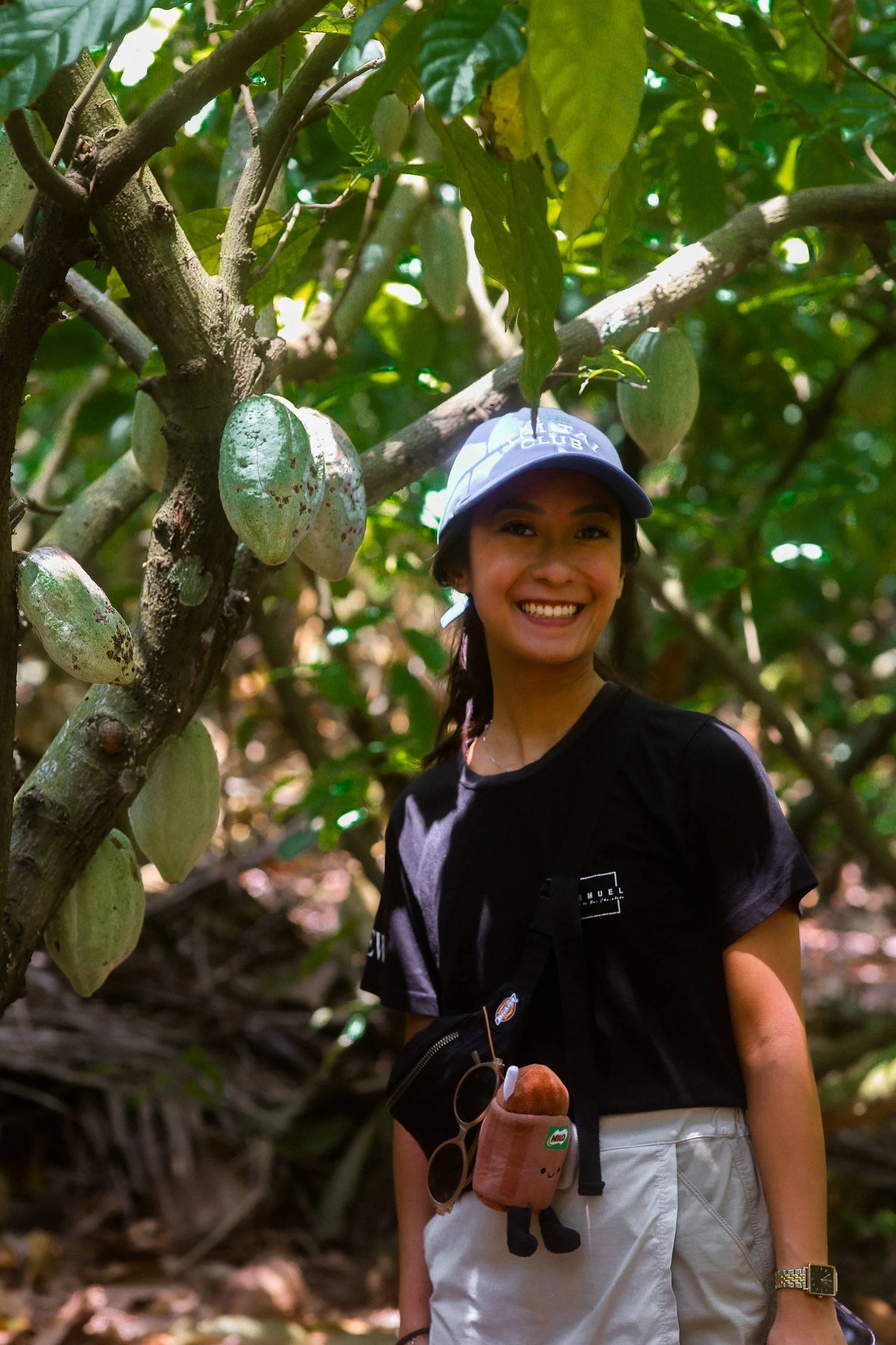
Seeing the Origins of Craft Chocolate
Last May, the Lemuel Chocolate team visited a cacao farm in Malacca, Malaysia, to experience the realities of cacao cultivation and gain a deeper understanding of bean-to-bar chocolate production. The trip offered practical insights into the challenges farmers face, the patience required to grow high-quality cacao, and the factors that make craft chocolate in Singapore truly exceptional.
These lessons have reinforced our commitment to sustainable cacao practices, respecting the farmers behind our beans, and delivering chocolate that reflects care, skill, and quality.
The Long Growth Cycle of Cacao: Patience in Craft Chocolate
One of the most striking lessons was understanding how long cacao trees take to bear fruit. Unlike fast-yield crops, cacao requires years of nurturing before producing its first pods. During this period, farmers invest significant resources without immediate return.
For craft chocolate makers, this long growth cycle emphasizes patience. Each bar is the culmination of careful planning and years of effort on the farm—reminding us that premium chocolate Singapore is built on more than just ingredients; it is rooted in time, care, and expertise.
Sustainable Cacao Farming: The Importance of a Balanced Ecosystem
Cacao does not thrive in isolation. Shade trees, companion plants, and other crops are essential for both sustainability and income stability during low seasons.
A farm with only cacao is vulnerable, but a diversified ecosystem supports soil health, biodiversity, and farmer resilience. This lesson underscores how sustainable cacao farming is essential for high-quality chocolate, and why small-scale farms require support and thoughtful planning.
The Realities of Working on a Cacao Farm
Cacao farming is physically demanding and, at times, dangerous. During the drying process, temperatures can soar from 42-45°C, putting workers at risk of heatstroke. Farmers also contend with snakes, insects, and other wildlife—daily hazards that highlight the dedication and resilience needed to cultivate cacao.
Understanding this reality gives deeper meaning to every piece of bean-to-bar chocolate we produce. It is not just a luxury; it is the product of human skill, endurance, and care.
Supporting Cacao Farmers: Ethical Practices in Bean-to-Bar Chocolate
Perhaps the most humbling insight was realizing that many farmers have never tasted chocolate made from their own beans. At Lemuel Chocolate, we aspire to honor these farmers by ensuring their work is respected and fairly compensated. We understand that cacao farmer support goes beyond paying a premium. It involves recognizing the skill, patience, and risks involved in producing the finest beans, and creating opportunities to connect farmers with the fruits of their labour in meaningful ways. Maybe in time to come, we can connect with farmers and show them the chocolate we’ve made from their painstakingly curated beans.
Understanding the Fine Cacao Market
Cacao shortages are often attributed to climate or weather challenges, but a significant factor is global supply dynamics. Large corporations purchase cacao in bulk, providing financial stability to farms but also limiting the availability of fine cacao for craft chocolate producers.
Fine cacao cultivation is stricter, more labor-intensive, and often less profitable than commodity cacao farming due to lower purchasing quantity. Even when offered a premium, some farmers struggle to maintain the high standards required for bean-to-bar chocolate in Singapore.
These insights highlight the importance of valuing quality over quantity and supporting small-scale farmers committed to craftsmanship.
Valuing Craft Chocolate: Why Premium Matters
The trip reinforced that as cacao prices rise, consumers must recognize the value behind craft chocolate. Paying more does not always guarantee superior taste, but at Lemuel Chocolate, every bar, bonbon, and chocolate gift is crafted to ensure that premium quality is delivered.
Our promise is simple: each product represents care, skill, and respect—from farm to table. By valuing both the ingredient and the work behind it, we maintain the integrity of our bean-to-bar process and the distinctive taste that sets Lemuel apart.
Lessons Applied: From Farm to Bar
Our Malacca visit serves as a reminder that craft chocolate is more than indulgence. Every step—from selecting cacao beans to tempering chocolate, creating ganache, and curating flavours—is influenced by the realities of farming.
For example:
Understanding cacao growth cycles informs product planning and seasonal releases
Respecting farmers influences ethical sourcing and premium pricing
Awareness of the ecosystem shapes sustainable ingredient choices
By integrating these lessons, Lemuel ensures that every chocolate bar reflects the journey of the bean—honoring the farmers and the craft at every stage.
Conclusion: Appreciating the Craft Behind Chocolate
The Malacca cacao farm experience reinforced that craft chocolate in Singapore is an intricate combination of patience, skill, and ethical practice. From the careful cultivation of cacao trees to the precise creation of each bar, chocolate represents the dedication of both farmers and chocolatiers.
At Lemuel Chocolate, we promise to honor this journey. By valuing cacao, supporting farmers, and committing to premium bean-to-bar production, every product we create is a celebration of craftsmanship, flavour, and the hard work behind every bite.
Explore our range of chocolate bars, bonbons, and gift sets to taste the difference that care, craft, and respect make.